

Introduction
It’s difficult to overstate the success of TaylorMade’s Spider range. What started as a rather unconventional-looking mallet has become one of the most recognisable putter families in golf, with numerous tour professionals, including some of the very best players in the world, putting their trust in it. Its popularity has helped establish the high-MOI mallet as a serious alternative to the traditional blade, and the Spider has become something of a phenomenon.
Of course, Odyssey is hardly a newcomer to the mallet market. The iconic #7 is arguably one of the most recognisable and widely copied putter shapes ever produced, and the company has an extensive range of successful alternatives. But the new TRTL is an interesting departure from those established designs, combining an unusual head shape with an adjustable weighting system and four different neck configurations.
Originally developed in Japan, with considerable input from tour players, the TRTL draws on some of the construction principles used in modern drivers. The intention is to create a particularly stable putter while offering fitting possibilities that go beyond simply choosing a particular head and neck combination.
At £299, the overall package looks very competitive, and with conventional and Square-to-Square configurations available, Odyssey is covering a wide range of putting preferences.
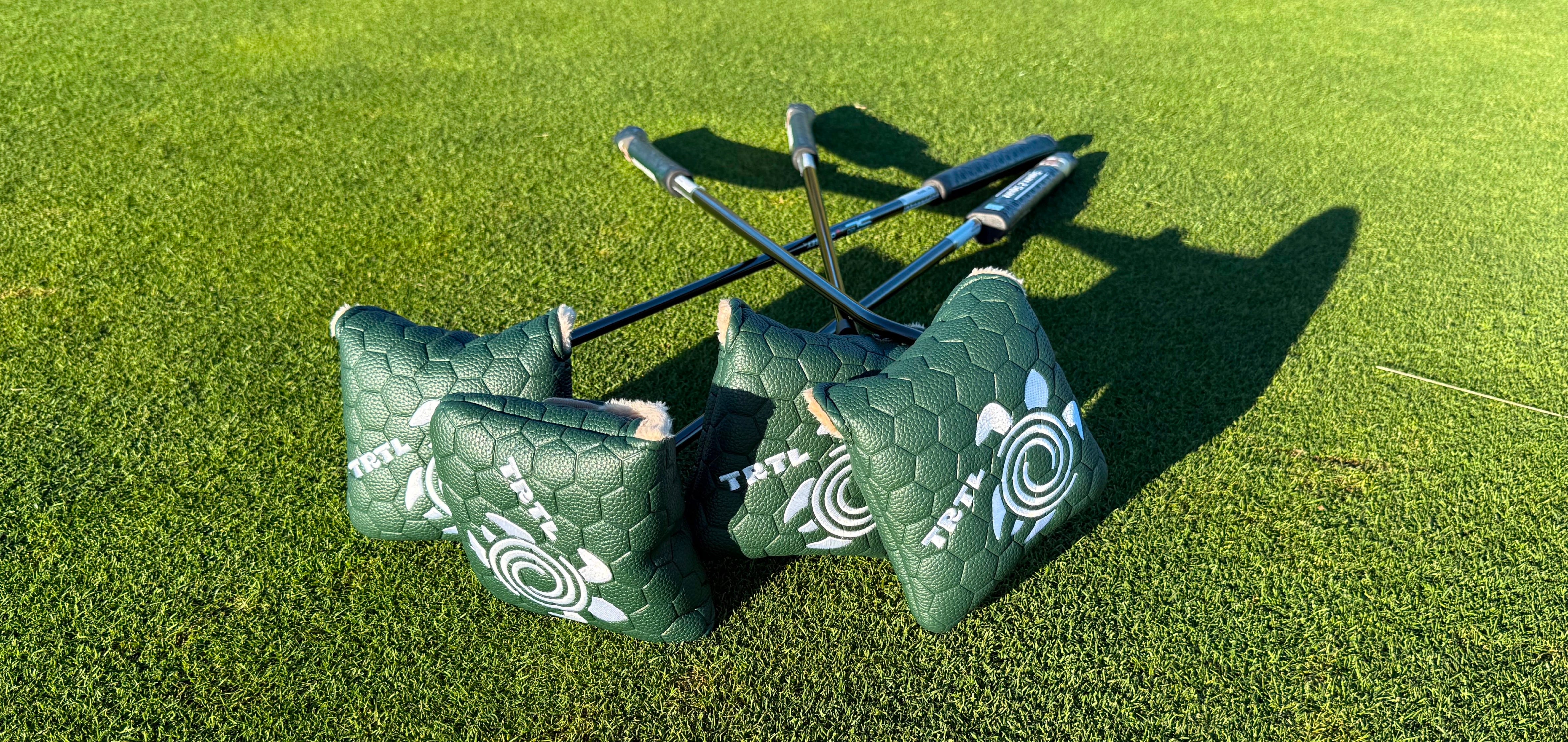
Thanks to Adam Legg at Auchterlonies in St Andrews, I was able to borrow all four TRTL configurations: plumber’s neck, slant neck, double bend and Square-to-Square. Rather than review them individually, I wanted to look at the range as a whole. How do the different configurations compare? Does the technology deliver on its promises? And, perhaps most importantly, has Odyssey produced a putter capable of challenging the Spider’s position in the market?
I went into the testing expecting to prefer the slant neck. As it turned out, things weren’t quite that straightforward.
First Impressions
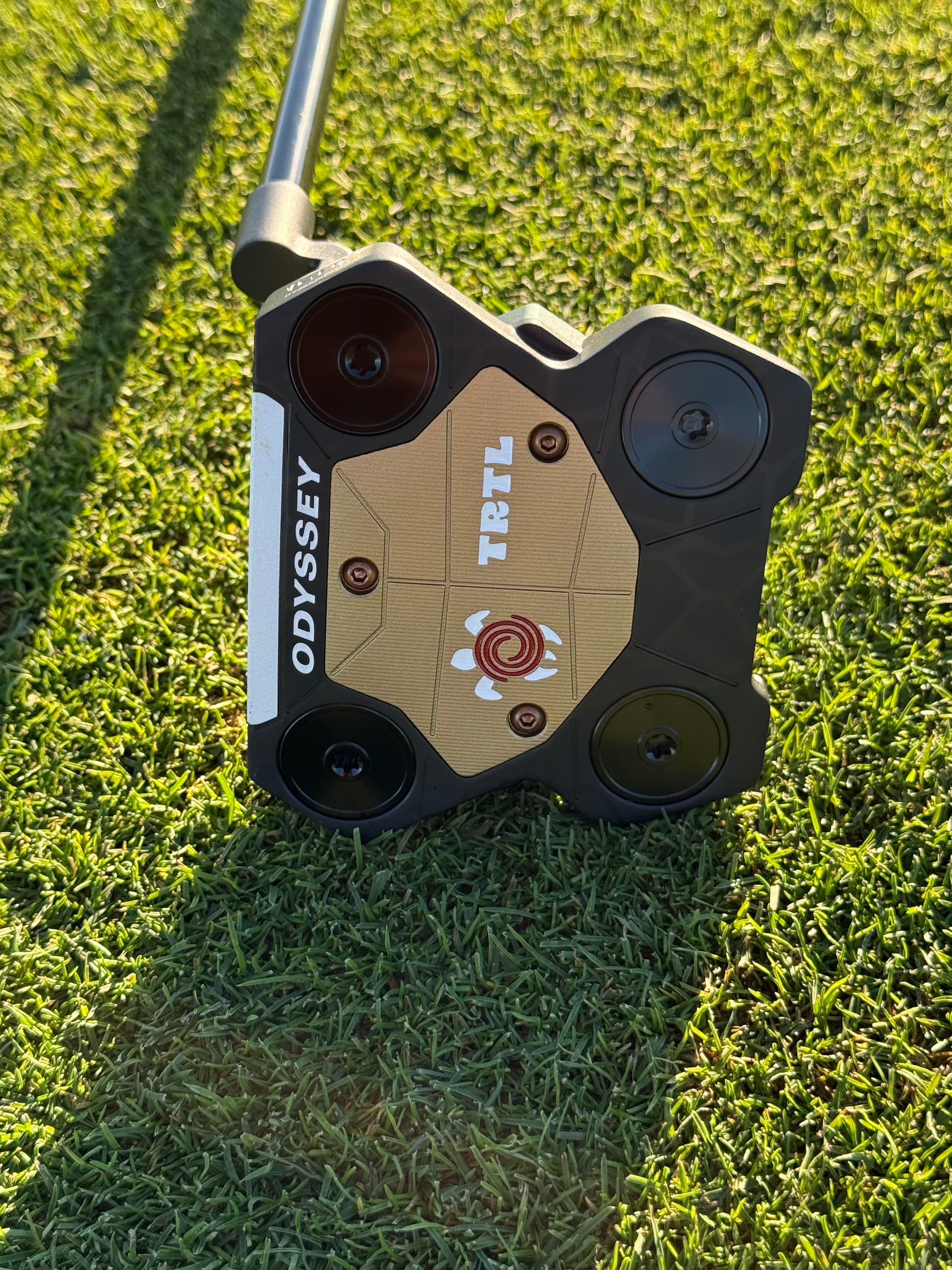
There’s no getting away from the fact that the TRTL is an unconventional-looking putter. The head shape is quite unlike anything we’ve seen from Odyssey before, and I suspect it will divide opinion. Personally, I quite like the underlying shape, particularly with the slant neck, although the overall appearance and alignment system are less to my taste.
The quality of the putter is excellent. The head looks beautifully made. The frame has a black PVD finish that should prove reasonably durable and the green of the body is nice. Generally on sale with most retailers at £299, I think Odyssey has done a very good job of delivering a premium product at a competitive price.
The new SL120 shaft has a lovely gloss black finish and looks and feels every bit as good as the KBS CT Tour shaft used in the TaylorMade Spider. The regular TRTL grip is also a considerable improvement over the one fitted to the previous Ai-DUAL range. It’s slightly slimmer, made from a nicer-feeling material and has a shape very similar to the SuperStroke Pistol 1.0 used on the Spider.
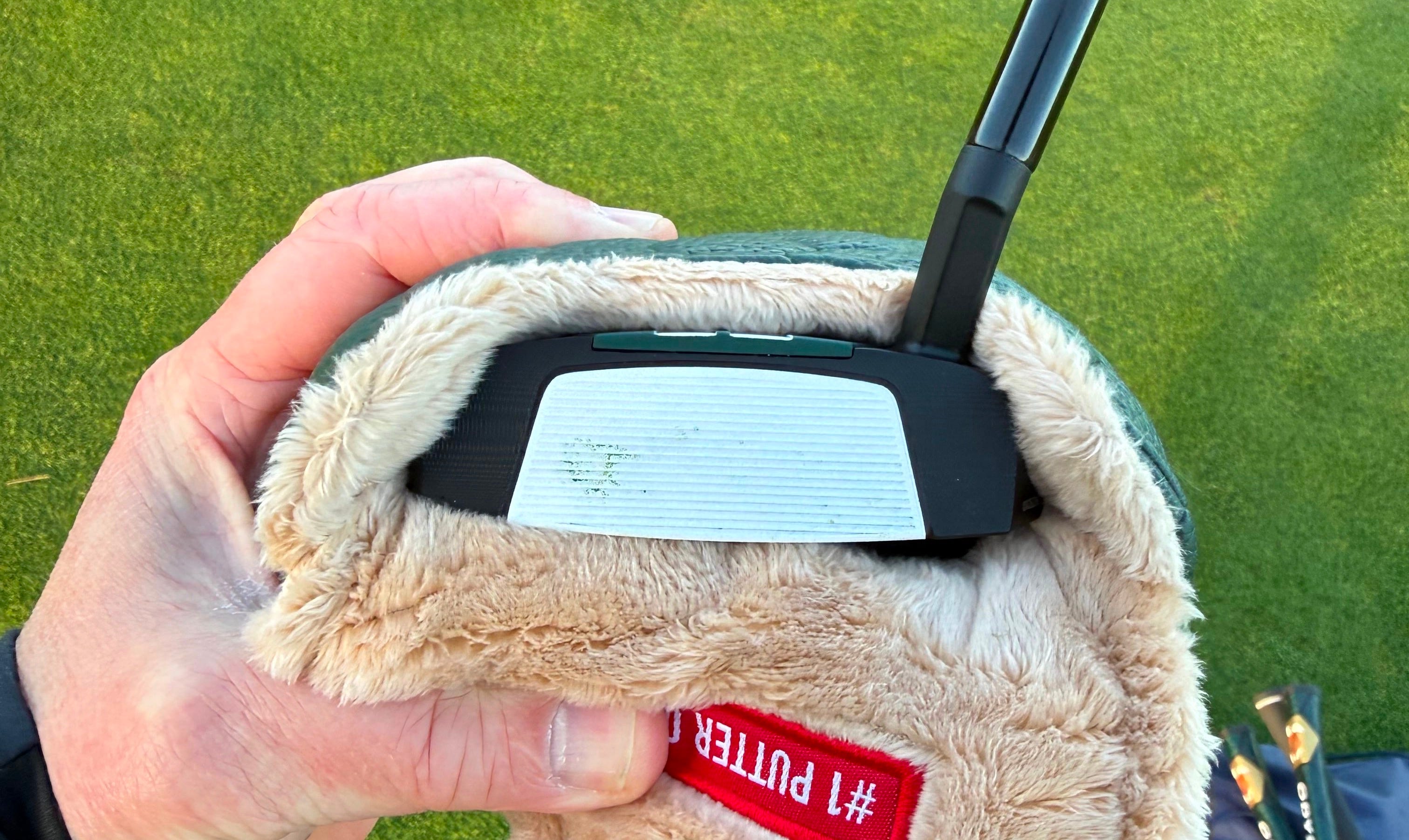
And then there’s the headcover. This is quite possibly one of the nicest I’ve come across. It’s almost like a sheepskin coat for the putter head, with a leather exterior featuring a turtle shell pattern, a wonderfully plush interior and an excellent magnetic closure. It looks and feels superb. To be fair, the Spider also comes with an excellent headcover, but Odyssey has certainly matched it here.


Overall, there’s very little to criticise about the quality of the TRTL. Odyssey has clearly put considerable thought into the whole package, rather than concentrating solely on the head design.
Technology and Design
The story behind the TRTL is rather interesting. Its original designer, Ashino, wanted to explore whether some construction principles used in modern drivers could apply to a putter. By removing weight from the centre of the head and concentrating it around the perimeter, he hoped to create a particularly stable, high-MOI design. The challenge was finding a structure strong enough without adding unnecessary weight.
The solution was a lightweight, hollow frame with a broadly hexagonal shape. As the design evolved, its resemblance to a turtle became increasingly obvious, and the TRTL was born.
The original prototypes were larger and more angular, but feedback from tour players in Japan and the US led to a smaller, more refined shape with softer edges. Odyssey also spent considerable time experimenting with the sole geometry, particularly how the putter sits at address. Apparently, one of the recurring complaints from tour players was that they disliked putters that appeared to sit closed.
I find that particularly interesting because how a putter looks and sits at address can have a considerable influence on confidence. It’s something I’ve become increasingly aware of through my own testing, and it’s particularly relevant to the TRTL.
Adjustable Weighting
Perhaps the most interesting feature is the four adjustable weights positioned around the perimeter of the head. These aren’t simply there to increase MOI. They also allow a fitter to alter the distribution of mass between the front, back, heel and toe, potentially influencing the centre of gravity, swing weight and balance of the putter.
TaylorMade offers different weighting characteristics across its Spider range, something I explored during my recent fitting with Bradley Rowntree. However, to get the more forward centre of gravity I wanted, I had to move from the Tour X to the Tour V, which also meant changing the head shape.
The TRTL potentially offers a different solution. If I particularly like the appearance of the slant neck model, for example, I could retain that head shape and neck configuration while experimenting with the weighting to find the balance and release characteristics that best suit my stroke.
I wasn’t able to do that during this testing, as all four putters arrived in their standard specifications, so I can’t say how much difference these adjustments would make in practice. However, I think this could be one of the TRTL’s biggest advantages, particularly if Odyssey makes the fitting options readily accessible. I’d definitely recommend being properly fitted by someone like Adam at Auchterlonies rather than just buying off the shelf.
The AI-STAR Face Insert
The new AI-STAR face insert is another interesting development. Odyssey describes it as the firmest urethane insert they’ve produced, a change driven partly by feedback from tour players. It combines a urethane striking surface with an aluminium backing and an AI-designed structure intended to improve ball speed consistency across the face. The grooves have also been updated to encourage more topspin.
I wasn’t particularly enthusiastic about the softer feel of the previous Ai-DUAL insert, but I much prefer this one. It really does feel firmer and more positive at impact without becoming harsh. I also like the Pure Roll insert on the Spider, and both offer a very pleasing sensation through impact.
One difference I noticed was the depth of the face. The TRTL has a deeper face than the Spider Tour V, and I actually prefer that at address. It gives me a little more confidence that I’m going to make a good strike, even if that’s largely a visual and psychological benefit.
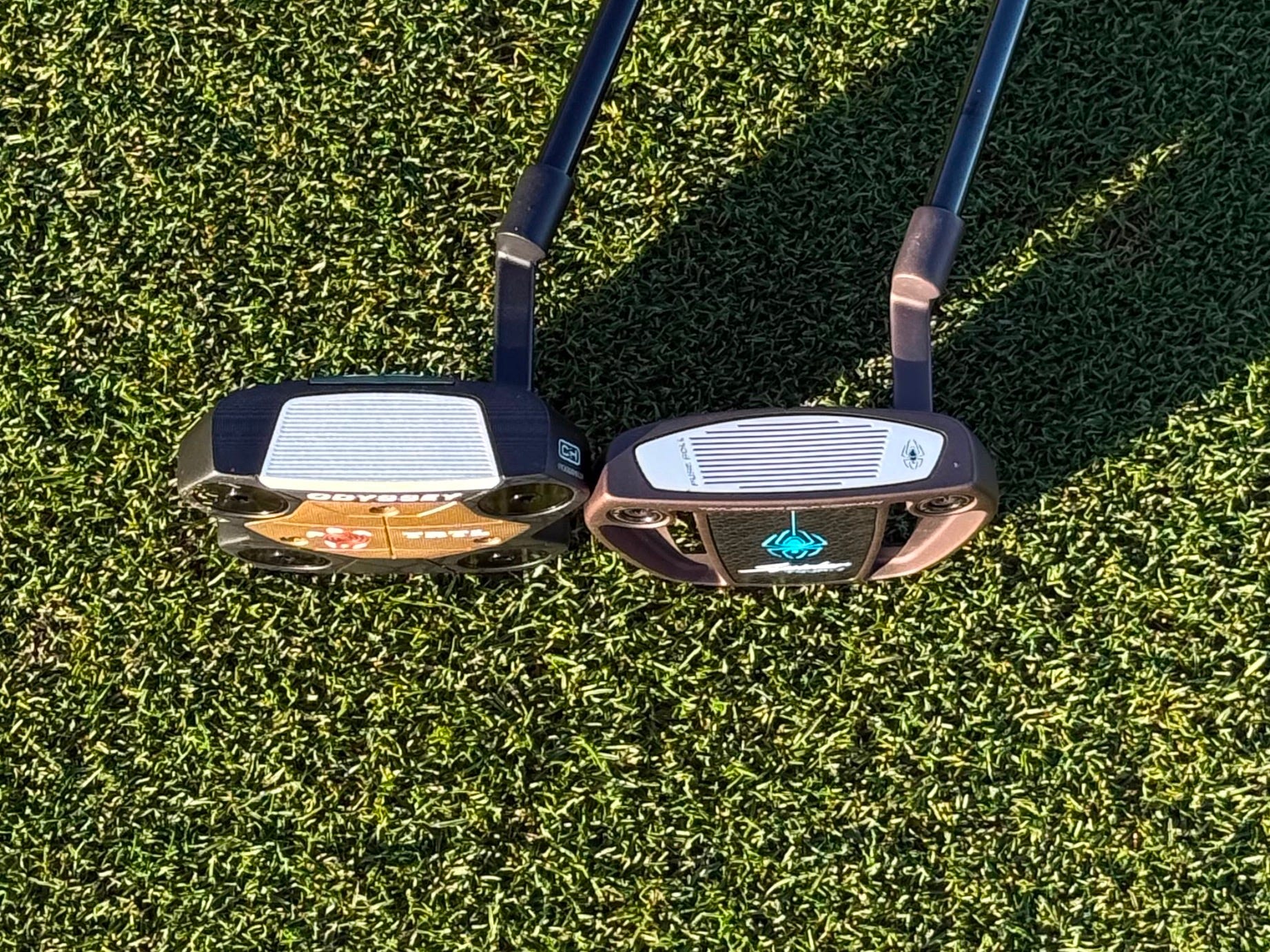
I do have one small reservation about the insert. As I noted in my Ai-DUAL reviews, the surface design seems particularly good at collecting dirt, and I suspect these faces will require regular cleaning to keep them looking tidy. It’s not a major criticism, but something worth being aware of.
Alignment
The other feature I’m less convinced about is the Twin Track alignment system. This was developed in response to tour feedback, with the intention of providing a highly visible reference for alignment and path. I’m sure some golfers will find it helpful, but personally I prefer something much more understated.
I’ve noticed this with the Spider range too. I prefer the shorter alignment line on the Tour V to the more prominent arrangement on the Tour X, and I was particularly attracted to the cleaner appearance of the newer Spider models I tested without the large white section. It’s probably also why I prefer the shorter alignment line on the TRTL Square-to-Square.
Interestingly, the original TRTL prototype shown in Odyssey’s development video had three small dots and none of the prominent white section found on the finished putter. I actually prefer that approach. As someone who tends to aim using the face rather than alignment lines, I don’t particularly want or need such a bold visual reference.
The central green line is also slightly raised, and during testing in the late afternoon sunlight, it cast a shadow across the white section, making the line appear considerably thicker than it actually is. It’s a relatively minor detail, but I found it distracting.
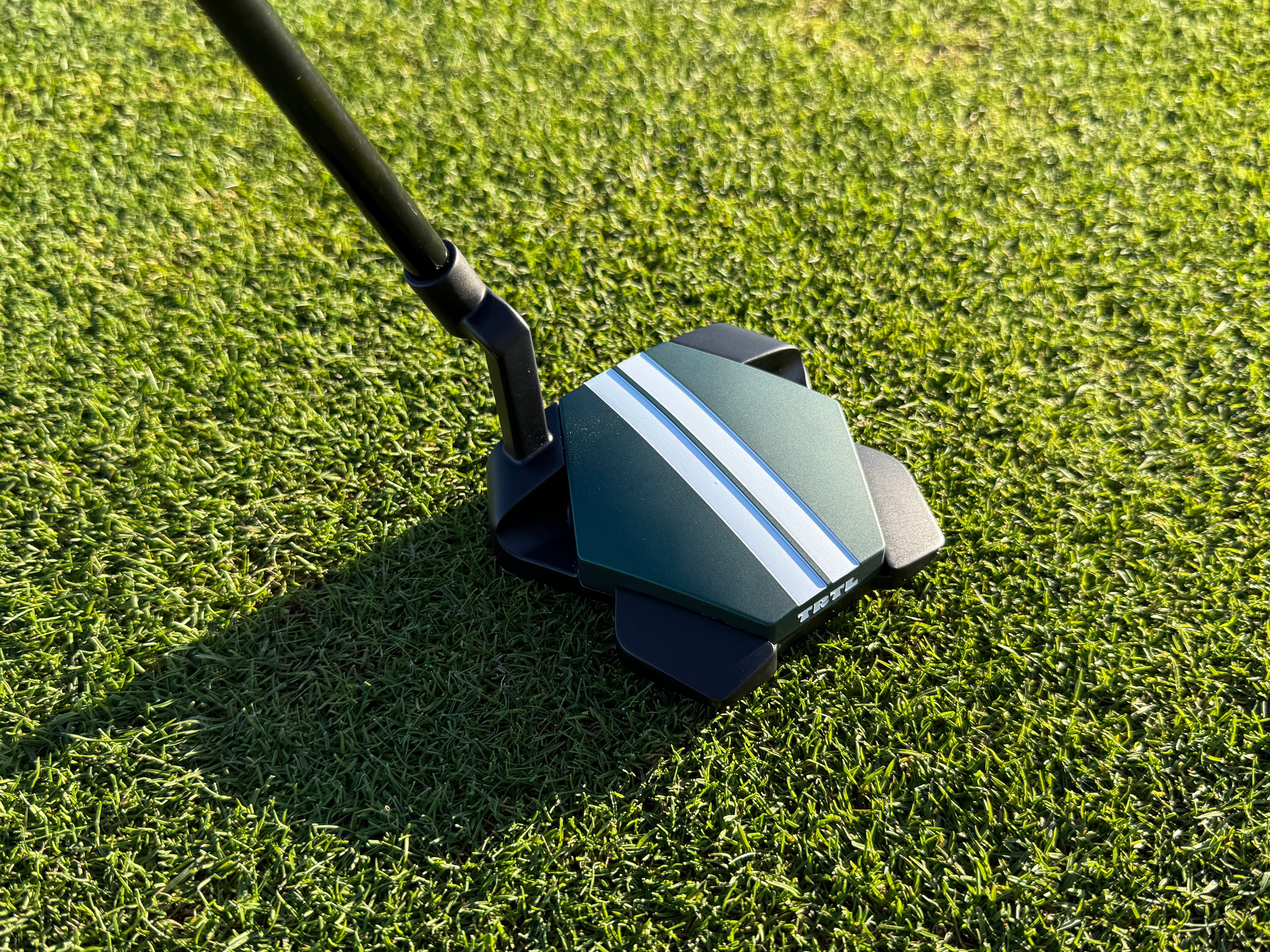
However, alignment is very much a personal preference. I’m sure plenty of golfers will appreciate the Twin Track system, and it’s not something I’d describe as a design flaw. It’s simply not my preferred approach.
The Four Configurations
One of the interesting things about testing all four TRTL models together is just how similar the three conventional versions look at address. They share the same head shape and alignment system, with the main visual difference being the neck configuration.
As a face aimer, I’m generally more interested in how the putter face sits relative to my target than in the shape of the hosel. All four models frame the ball well, although I certainly had my preferences.
Plumber’s Neck
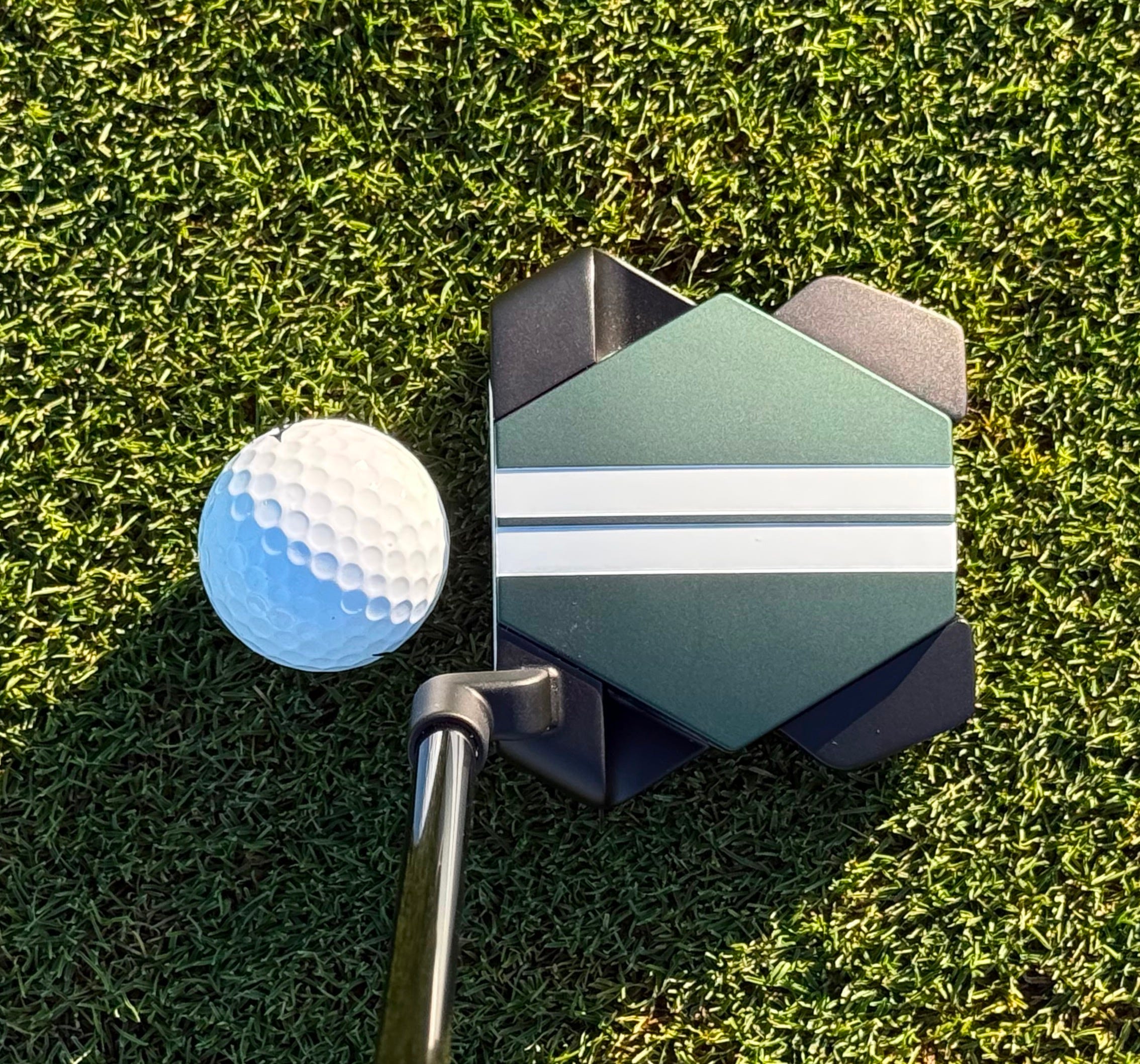
The plumber’s neck is probably the most noticeable of the three conventional configurations. It’s a slightly chunkier attachment and more obvious when looking down at the putter. There’s nothing particularly wrong with that, but I found it a little more distracting than the other options.
In terms of performance, it was perfectly respectable, although it didn’t quite match the other three configurations in my holing tests. I also didn’t find it quite as comfortable to swing as the double bend or Square-to-Square, but that’s more a reflection of my personal preferences than a criticism of the design.
Slant Neck

The slant neck was the model I expected to prefer, and visually it remains my favourite of the conventional designs. The short slant neck is neat and unobtrusive, allowing me to concentrate on the relationship between the face and the ball without anything else catching my attention.
It also performed very well, finishing joint first in the holing tests. However, while I liked its appearance most, it wasn’t ultimately the model I enjoyed putting with most. That was an interesting reminder that what appeals visually doesn’t always translate into the most comfortable feeling during the stroke.
Double Bend

The double bend was one of the surprises of the test. I’ve generally struggled to get enthusiastic about double-bend, face-balanced putters, but this configuration seems to work particularly well with the TRTL head.
It felt very stable throughout the stroke and was remarkably easy to swing. There was something about the balance that made the putter feel natural, without me having to think too much about what the head was doing.
It also finished joint first in the holing tests, which was encouraging, although I wouldn’t attach too much significance to the small differences between the models. More importantly, I found myself enjoying putting with it far more than I expected.
Square-to-Square

And then there’s the Square-to-Square, which was perhaps the biggest surprise of all.
It’s slightly larger than the other three models and has what appears to be a more metallic-looking finish, which I actually preferred. I also particularly liked the shorter central alignment line, which makes the head look cleaner and less visually complicated.
I’ve had mixed experiences with zero-torque putters, and very few have really appealed to me. But Odyssey has done an excellent job with this one. Like the double bend, it felt exceptionally stable and easy to swing, and I found myself enjoying it far more than I expected.
My biggest criticism is the grip. I really don’t like Odyssey’s version of a press grip. I find the shape awkward and unpleasant in my hands, which is frustrating because I liked so much else about the putter.
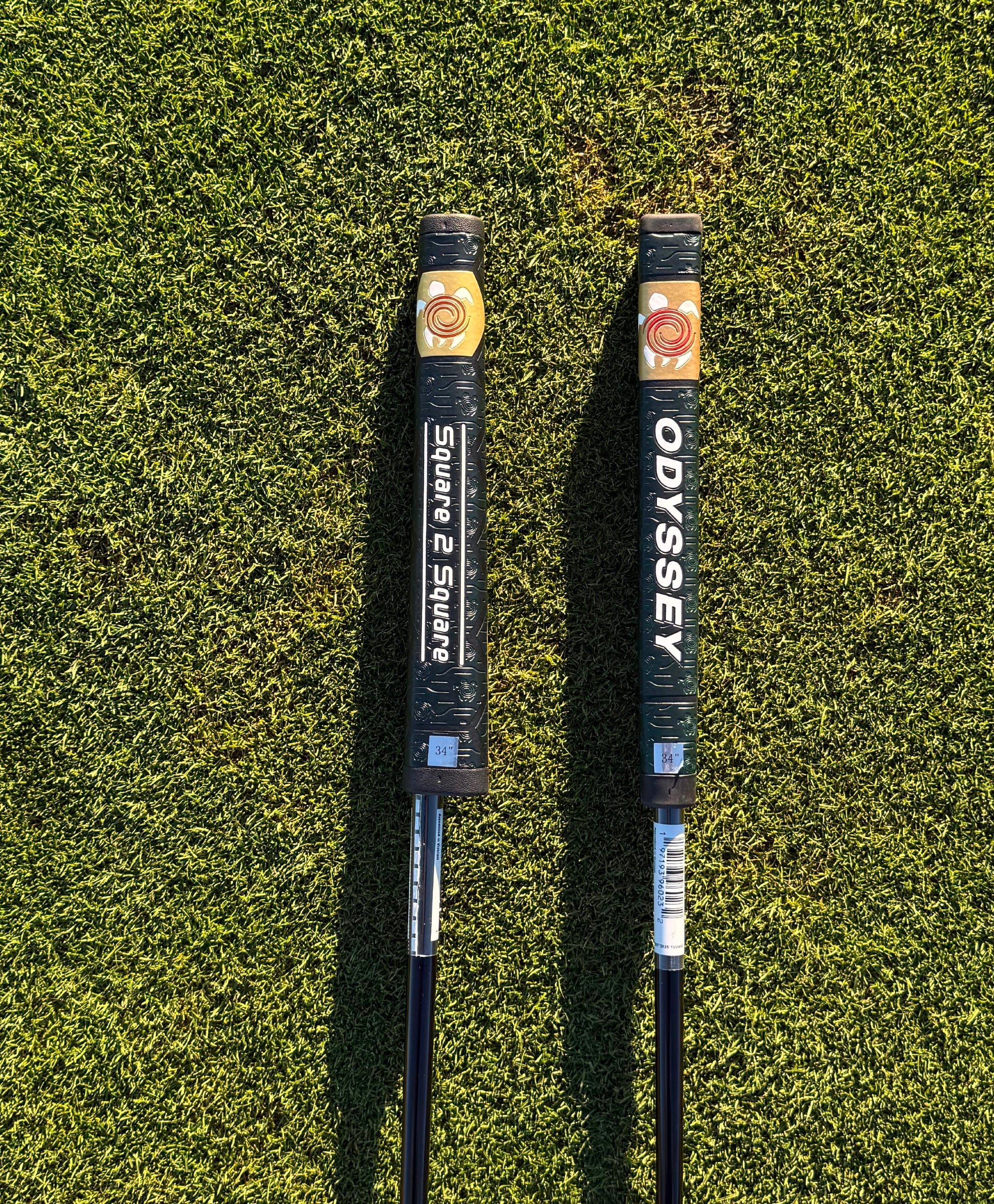
Despite that reservation, I think the Square-to-Square could turn out to be the big success story of the TRTL range.
On the Green
With four different configurations to evaluate, I decided to modify my usual testing protocol. I retained the same distances but reduced the number of repetitions, giving me a consistent basis for comparing the four models without attempting to conduct four full individual reviews.
Each TRTL was tested over two rounds of six putts at each distance, from three to fifteen feet. I also randomised the order of the putters to reduce the influence of testing order and familiarity.
Rather than use my usual Scotty Cameron Newport as the benchmark, I decided to use my TaylorMade Spider Tour V. The TRTL is entering a market in which the Spider has become enormously successful, and I thought it would be more useful to compare the two in terms of appearance, shaft, grip, face feel and pace control.
The aim wasn’t to establish a definitive winner from a relatively small sample, but to see how the four configurations compared and whether their performance matched my subjective impressions.
Holing Performance
The results were broadly similar across the four configurations, although there were some interesting differences.
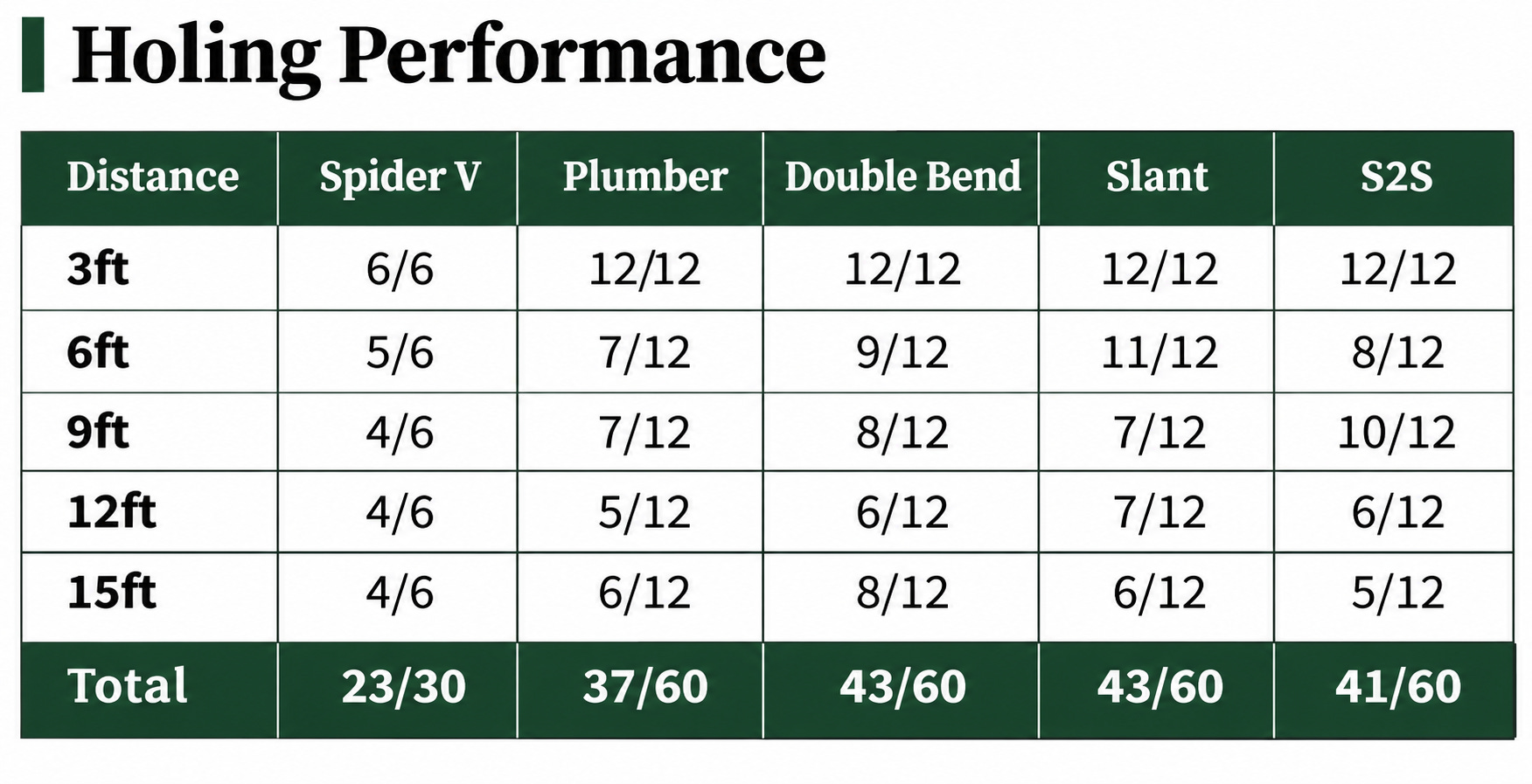
The double bend and slant neck finished joint first with 43 out of 60 putts holed, followed closely by the Square-to-Square with 41. The plumber’s neck finished slightly behind with 37.
The Spider Tour V achieved the highest overall percentage, although I only used it for one set of six putts at each distance, compared with two sets for each TRTL. I wouldn’t read too much into that difference, particularly given the relatively small sample sizes and my greater familiarity with the Spider.
What interested me more was how closely the four TRTL configurations performed. There wasn’t a clear winner, and the differences weren’t large enough to persuade me that one configuration was inherently superior to the others.
The slant neck provides a good example of why I don’t like drawing sweeping conclusions from relatively small samples. At fifteen feet, I holed just one of six putts in the first round, followed by five of six in the second. Same putter, same distance, very different results.
In the end, my subjective preferences were probably more revealing than the small differences in the holing statistics. The double bend and Square-to-Square were the two configurations that felt most natural and comfortable to swing, despite neither being what I would ordinarily have expected to prefer.
Pace Control
One of the things that impressed me most about the Spider Tour V when I originally reviewed it was the excellent pace control. I found it very easy to judge distance, particularly on longer putts, so it provided a useful benchmark for the TRTL.
However, I have to say that I was even more impressed with the Odyssey. Across all four models and at every distance tested, the ball seemed to come off the face with remarkable consistency. I quickly developed a lot of confidence in my pace control, and that confidence extended beyond the quality of my strike.
There were several occasions during the holing tests when I felt I’d made poor contact, but the ball still had enough pace to reach the hole. It might have missed left or right, but the distance was often much better than I expected from the strike.
I found that particularly encouraging because it meant I wasn’t having to compensate for an imperfect strike by worrying about whether the ball would reach the hole. The putters seemed remarkably forgiving of small variations in contact, at least in terms of distance.
The lag putting results supported that impression.
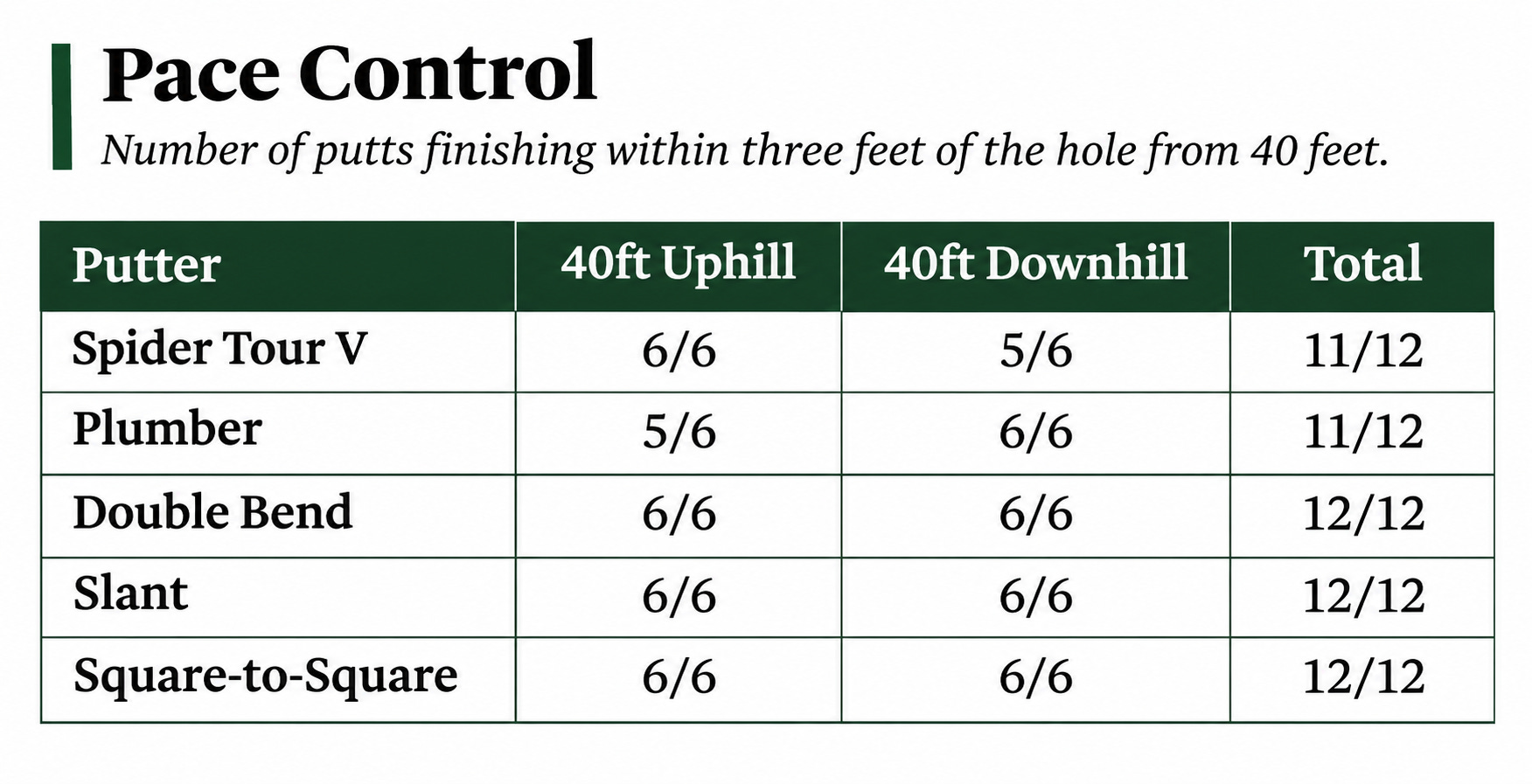
Of the 48 lag putts hit with the TRTL models, 47 finished within three feet of the hole. That’s an excellent result, particularly as the test included both uphill and downhill putts.
Admittedly, it’s a relatively small sample, and the Spider also performed very well. The three-foot target also doesn’t tell us precisely how close each putt finished. However, the consistency of the TRTL was one of the standout features of the test.
Odyssey claims that the AI-designed structure behind the face improves ball speed consistency on off-centre strikes, and my experience certainly seemed consistent with that intention. I wasn’t measuring ball speed or impact location, so I can’t claim to have proved the technology works exactly as advertised. But I can say that the results were impressive.
Pace control is one of the most important aspects of putting, and this was an area where the TRTL really stood out.
Taking the TRTL Further
I’ve always been slightly sceptical about the emphasis manufacturers place on forgiveness and stability when marketing mallet putters. We’re talking about a relatively slow putting stroke, not a driver being swung at over 100mph on the end of a 46-inch shaft. While additional MOI certainly has its benefits, I’m not convinced it’s always the most important consideration.
For me, one of the biggest attractions of a mallet is the opportunity to incorporate different alignment systems. And with manufacturers increasingly experimenting with more forward weighting, we’re also seeing putters that combine some of the playing characteristics of a blade with the visual advantages of a mallet. Face balance and zero torque aren’t exclusive to mallets either, which makes the traditional distinction between blade and mallet rather less clear-cut than it once was.
That’s what makes the TRTL particularly interesting. With four different neck configurations and the ability to adjust the weighting around the head, there’s potentially a combination to suit almost any putting stroke. Rather than having to choose between different head shapes to find the balance and release characteristics I prefer, I could potentially achieve both within the same design.
But I think Odyssey could go even further.
Golfers aim putters in different ways, and while some will undoubtedly appreciate the Twin Track alignment system, others would prefer something simpler. Given the modular nature of the TRTL’s construction, I wonder whether Odyssey could develop a fitting head with a handful of interchangeable alignment options. The existing Twin Track, a short line, three dots or a completely clean top without the white section would cover a wide range of preferences.
Golfers could experiment with different alignment arrangements alongside the neck and weighting options, then order a finished putter built to their preferred specification. The retail product wouldn’t even need interchangeable alignment components.
Of course, there would be additional development and manufacturing costs, but TaylorMade has already demonstrated the appeal of personalisation through its MySpider programme. I suspect plenty of golfers would happily pay an additional £50–£100 for a TRTL built to their preferences. At £349–£399, that could still represent a compelling proposition.
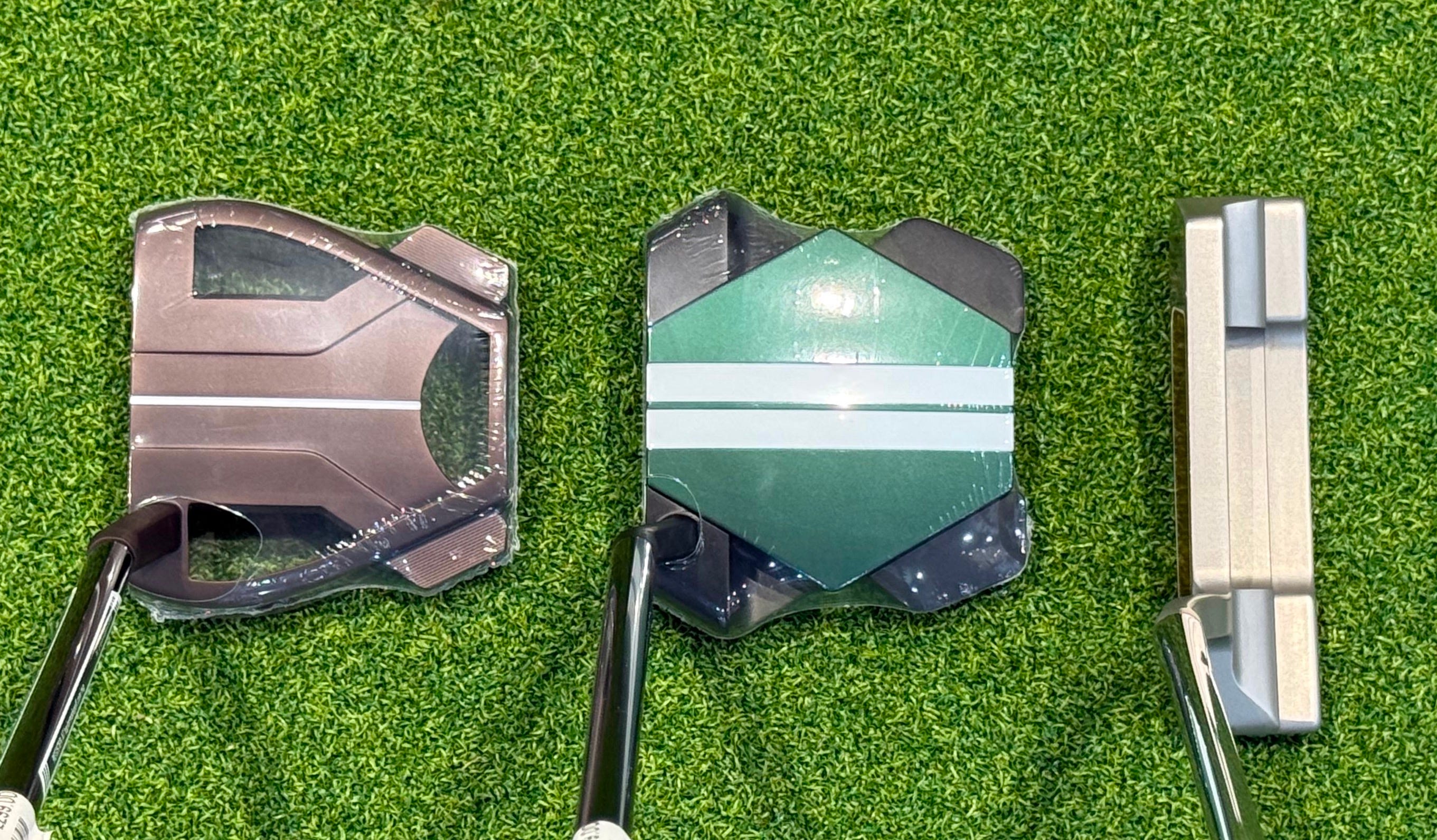
After all, you can fit a putter perfectly to someone’s stroke, but if they don’t like how it looks at address, they’re unlikely to put it in their bag.
Verdict
I think Odyssey has produced something rather special with the TRTL. The engineering is interesting, the quality of the overall package is excellent and, at £299, it represents very good value.
What impressed me most was the consistency of pace control. I’ve tested plenty of putters that feel good and perform well when I make a decent stroke, but the TRTL was excellent even when my contact wasn’t quite as good. And that was true across all four configurations.
I went into this test expecting to prefer the slant neck, and visually I still do. But I hadn’t anticipated enjoying the double bend quite so much, or finding the Square-to-Square one of the most comfortable zero-torque putters I’ve tried. That was probably the biggest surprise of the whole experience.
Would I put one in my bag? Not in its current form. I still have a strong visual preference for a blade, and while I also like compact mallets like my Toulon Atlanta, the TRTL is a much bigger departure. I simply couldn’t see myself playing one with the current alignment system and appearance, regardless of how well it performs. However, if Odyssey offered the full range of personalisation options I’ve discussed, allowing me to choose the neck, weighting and a much cleaner alignment arrangement, I could certainly be tempted to reconsider.
Can the TRTL catch the Spider? Only time will tell whether it can achieve anything approaching the same popularity, but on the evidence of this test, I think Odyssey has given itself a very good chance.
Over to You
Have you tried any of the new TRTL putters? I’d be interested to hear what you think, particularly if you’ve compared them with a TaylorMade Spider. Do you think Odyssey has a genuine contender on its hands? Or could it be even better with further customisation options?
As always, I’d welcome your thoughts in the comments. If you’ve enjoyed the review, please give it a like to help other golfers discover The Club House. And if you haven’t already subscribed (it’s free), I’d love you to join me.
Further reading
Quite a deep dive about these putters Keith thanks can you also share some of the basic specs of them length weight total weight? Thanks.