

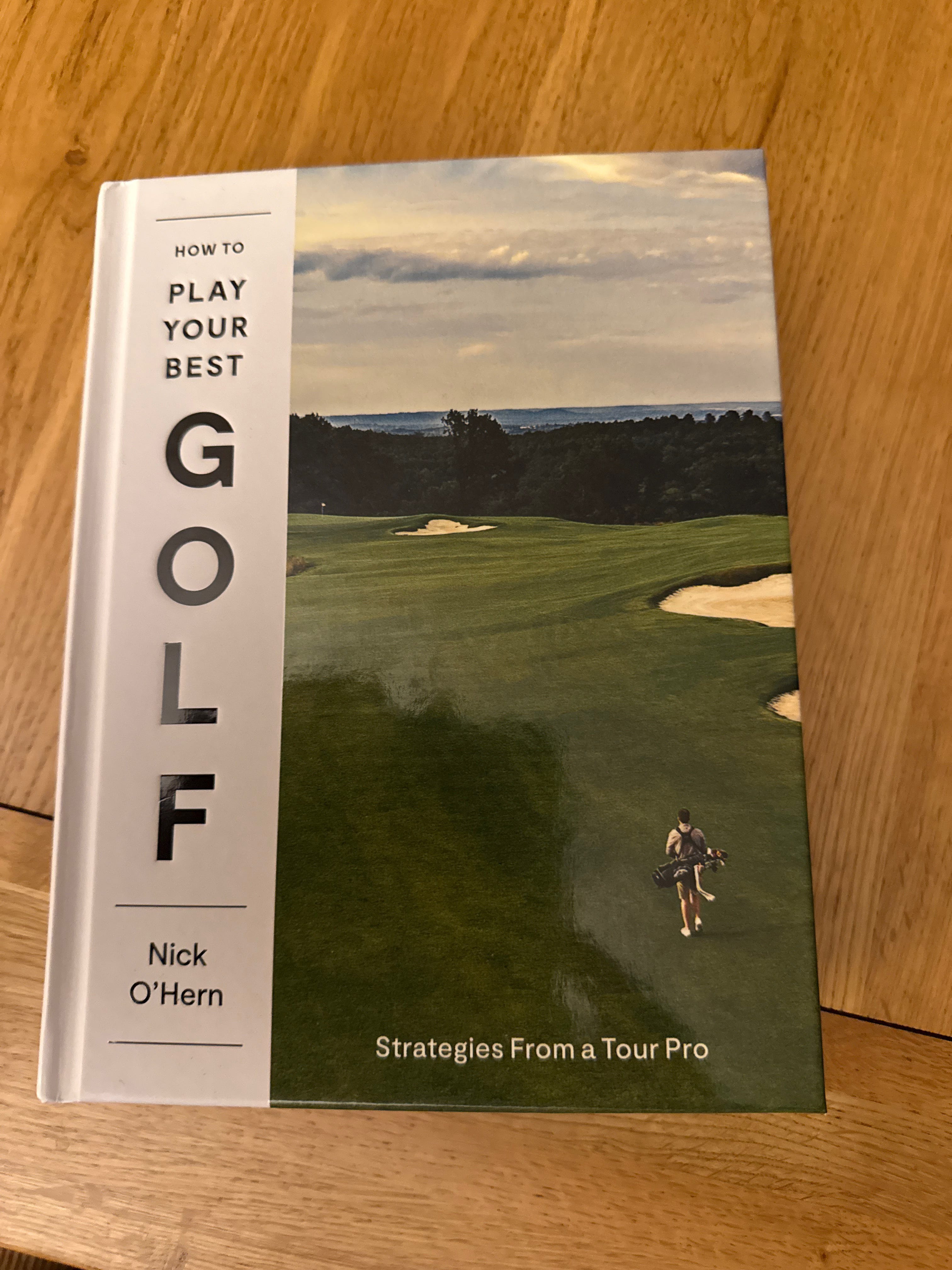
Most golf books fall into one of two camps.
They either promise to rebuild your swing in 30 days, or they disappear so far down the technical rabbit hole that you forget why you picked up a club in the first place. How to Play Your Best Golf by Nick O’Hern sits comfortably outside both of those camps — and that’s exactly why it’s worth reading and why I enjoyed it so much.
This is a book about scoring, not swinging. That distinction matters, but it is one that I’ve so often forgotten. Just check all the training aids in my garage!
“You don’t need a perfect swing to play good golf.”
This is actually Nick’s second book. His first was “Tour Mentality: Inside the Mind of a Tour Pro” published back in 2016. I’ve not read that one, but I’ll be checking it out soon to see if it’s as well-written as this one.
Why Nick O’Hearn’s Perspective Works
Nick O’Hearn isn’t writing from theory or hindsight. He’s writing as a former tour professional who made an excellent living competing against the best players in the world. Lots of top 10 finishes, a handful of PGA Tour wins, a reputation as one of the purest ball strikers of his era, and real experience of tournament pressure all give the book instant credibility. He reached a career-high ranking of 16th in the world and defeated Tiger Woods at the World Matchplay, not once, but twice. He remains the only person ever to do that.
What stood out to me, though, is that he never leans on that résumé. There’s no ego in the writing; in fact, he talks more about other golfers he played with on tour than he does about himself. He doesn’t talk at you either — he talks to you, like someone who understands what it’s like to grind around a golf course when things aren’t quite clicking.
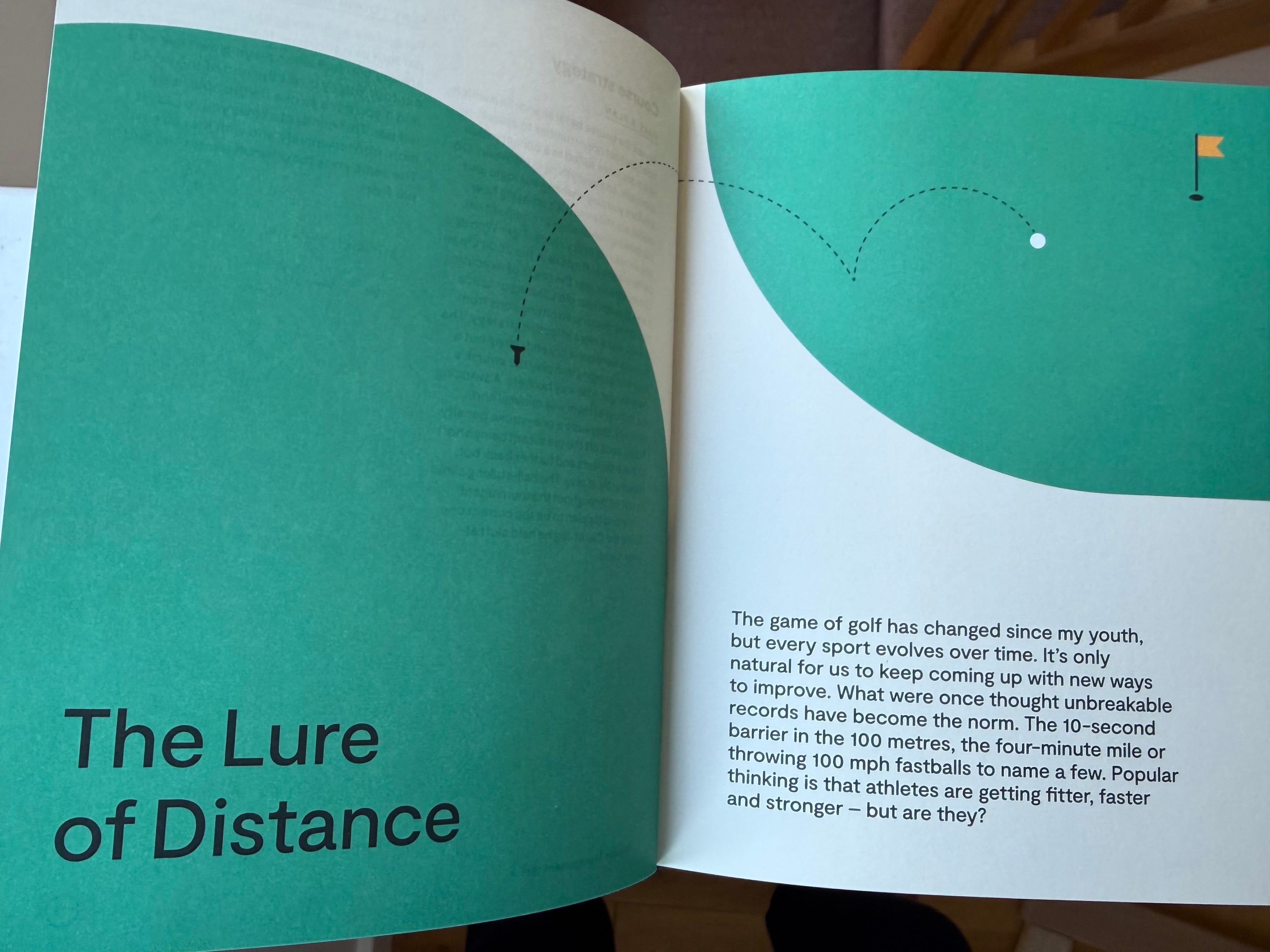
Having never been the longest hitter on tour, his comments about length are insightful and go against a lot of what we get fed on TV and YouTube. There’s much to learn from his attitude towards approach play, short game, putting and course management. How to get the most out of our abilities and shave some easy shots off our scores. Given that my Tangent data shows I’ve got the most to gain by improving my approach play, that’s an area of the book I’m paying particular attention to.
“This feels less like instruction and more like experience being shared.”
Simple, Clear, and Easy to Dip Into
The writing style is one of the book’s biggest strengths.
It’s clear, calm, and refreshingly easy to read. Chapters are short, ideas are well organised, the formatting makes it easy to take notes on the pages as you are reading, and you can jump around depending on what part of your game needs attention. This isn’t a book you feel guilty about not finishing in order (although that’s how I prefer to read books) — it’s one you can come back to when your golf starts drifting, and you are looking for some practical pointers to get back on track.
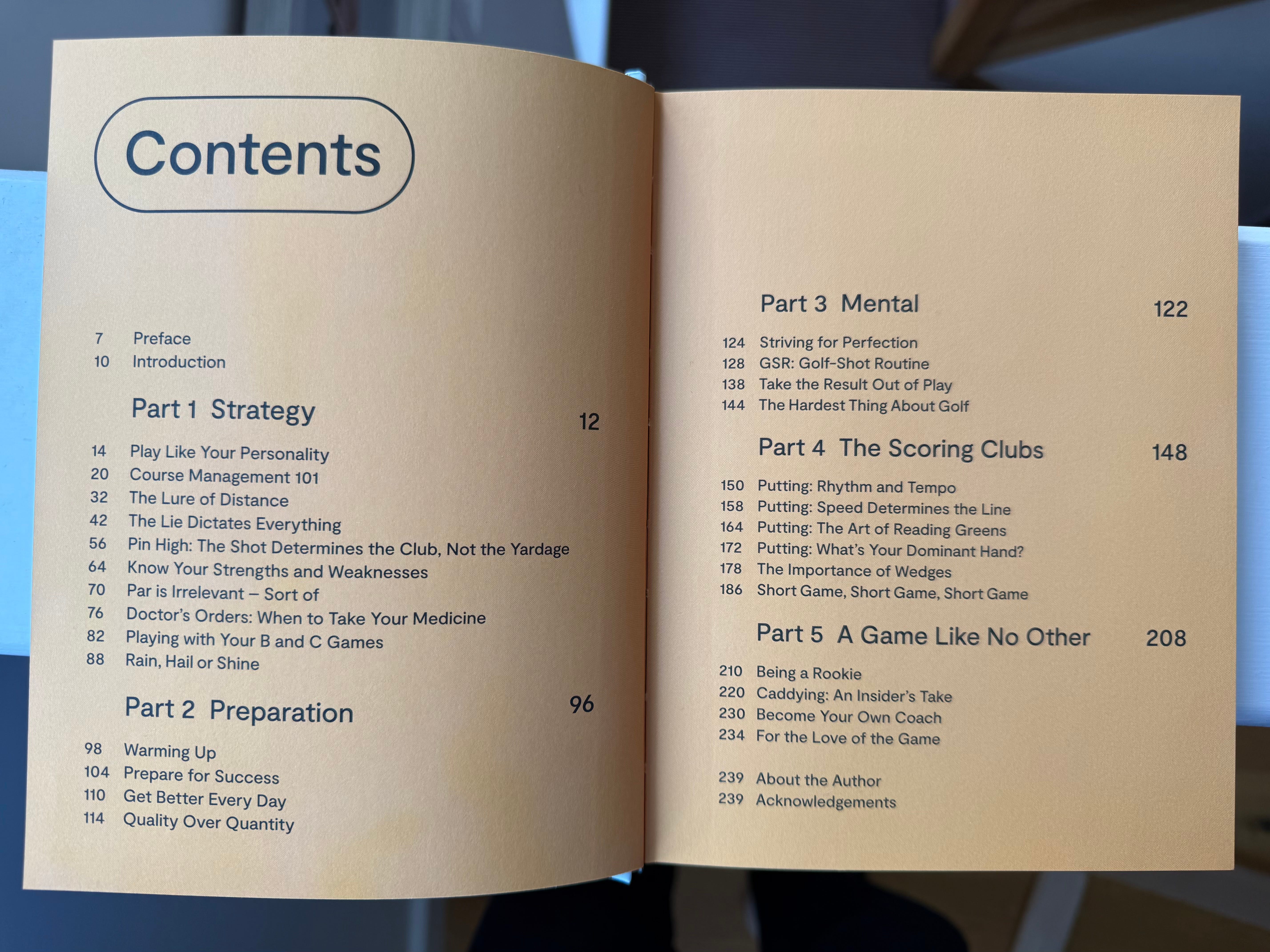
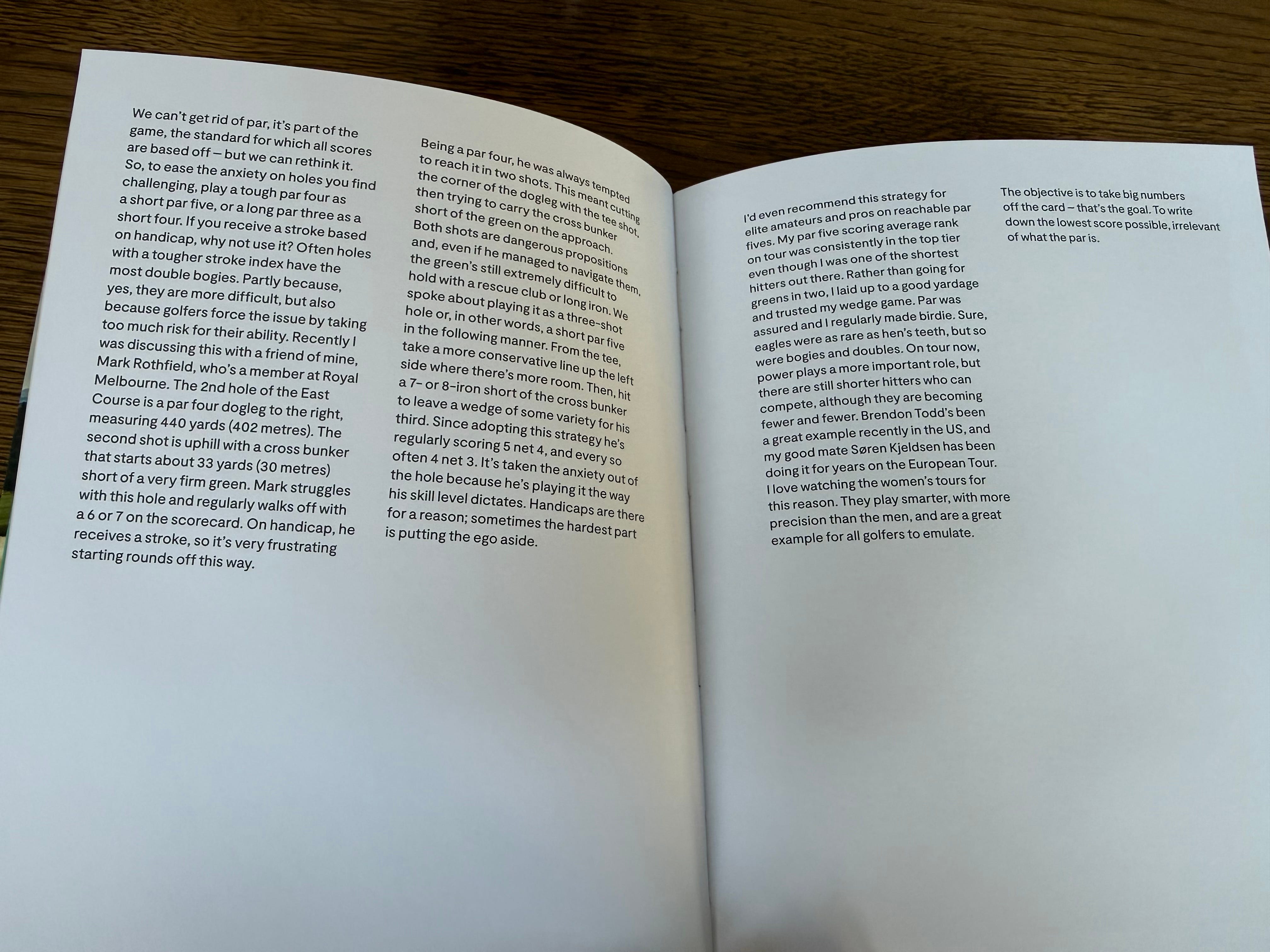
Having read through the book once, I’m likely to read it again and take more notes for things to try during practice and on the course. Given the work I need to do on appraoch play I’m going to take his recommended drills and give them a try too. The way the book is laid out means you can read a chapter before a round, revisit a section after a bad score, or skim for reminders when you feel like you’re making the game harder than it needs to be.
“This is a book you use, not one you study once and put back on the shelf.”
Less Swing, More Sense
If you’re looking for detailed swing mechanics, this isn’t the book for you — and that’s a compliment. It’s not devoid of technical input, but it’s put into a more practical context of course management and shot selection. How to play from sloping lies. How to cope with poor lies. Bunker tactics. Using the wind. Using fairway slope when deciding on your tee shot. Dealing with the weather. Ignoring the pin. Practical ideas and tips for practice sessions. As you might expect, I particularly enjoyed the sections on putting and the short game.
O’Hearn spends very little time on how the club should move and far more time on:
course management
decision-making
understanding your tendencies so you play to your strengths and personality
choosing the right shot at the right time
accepting the outcome
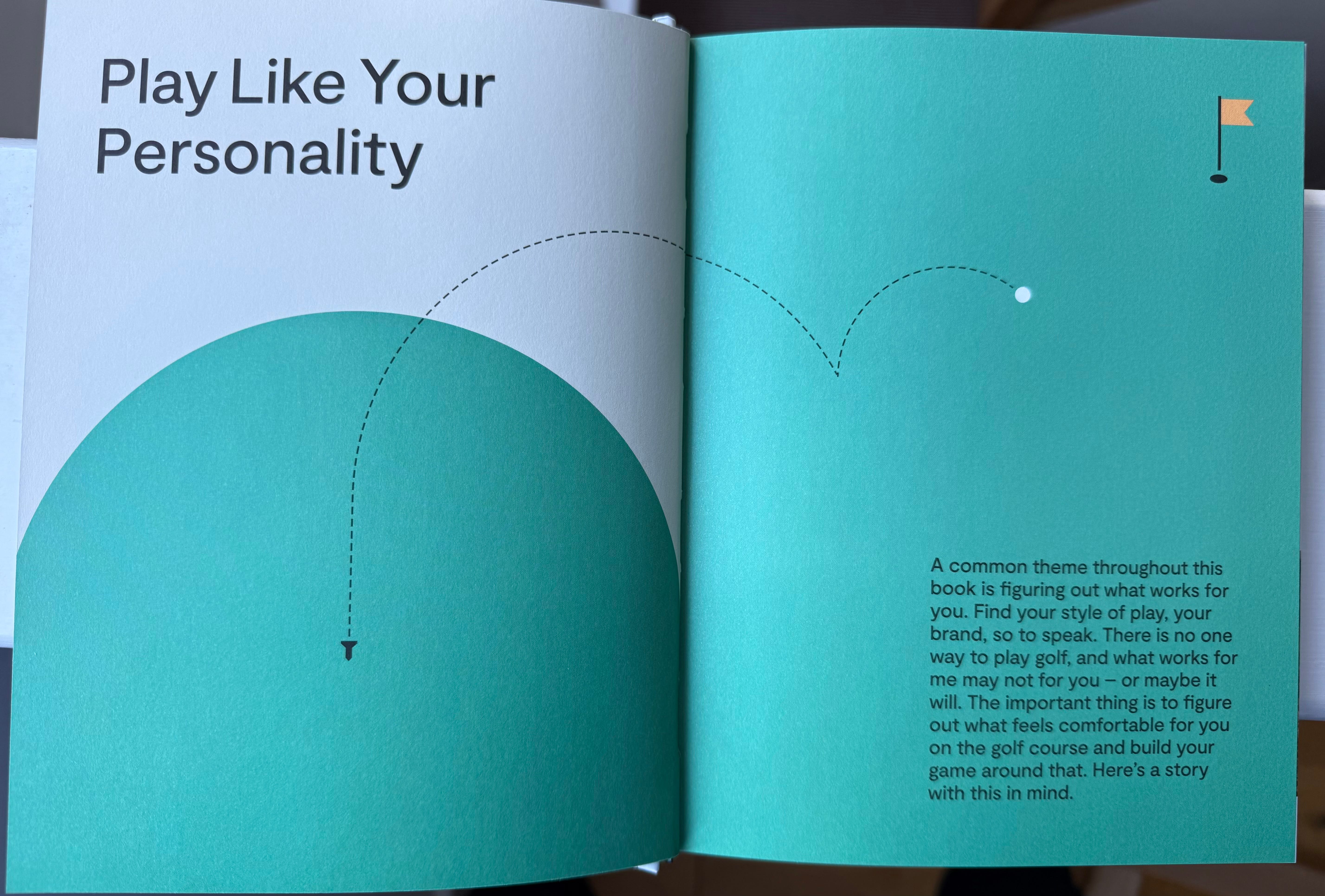
The underlying message is simple but powerful: you don’t need a perfect swing to play good golf.
Instead of chasing technical fixes, the book encourages you to play smarter with the game you already have. That alone will resonate with anyone who’s ever striped it on the range and then wondered where it all went wrong on the course. It certainly resonates with me as it’s something I committed to doing last season and let slip as the year went on, chasing technique over just getting the ball in the hole in the fewest shots. I finished the year playing golf “swing” rather than just playing golf!
“Most shots are lost through decisions, not technique.”
Practical Advice That Actually Applies
What I liked most is how practical the advice feels. Nick has been there and this advice all comes from his experience.
There’s nothing abstract here. The scenarios are familiar: missing fairways, being out of position, choosing when to attack and when to accept par (or bogey). O’Hearn repeatedly comes back to the idea that golf is about managing mistakes, not eliminating them.
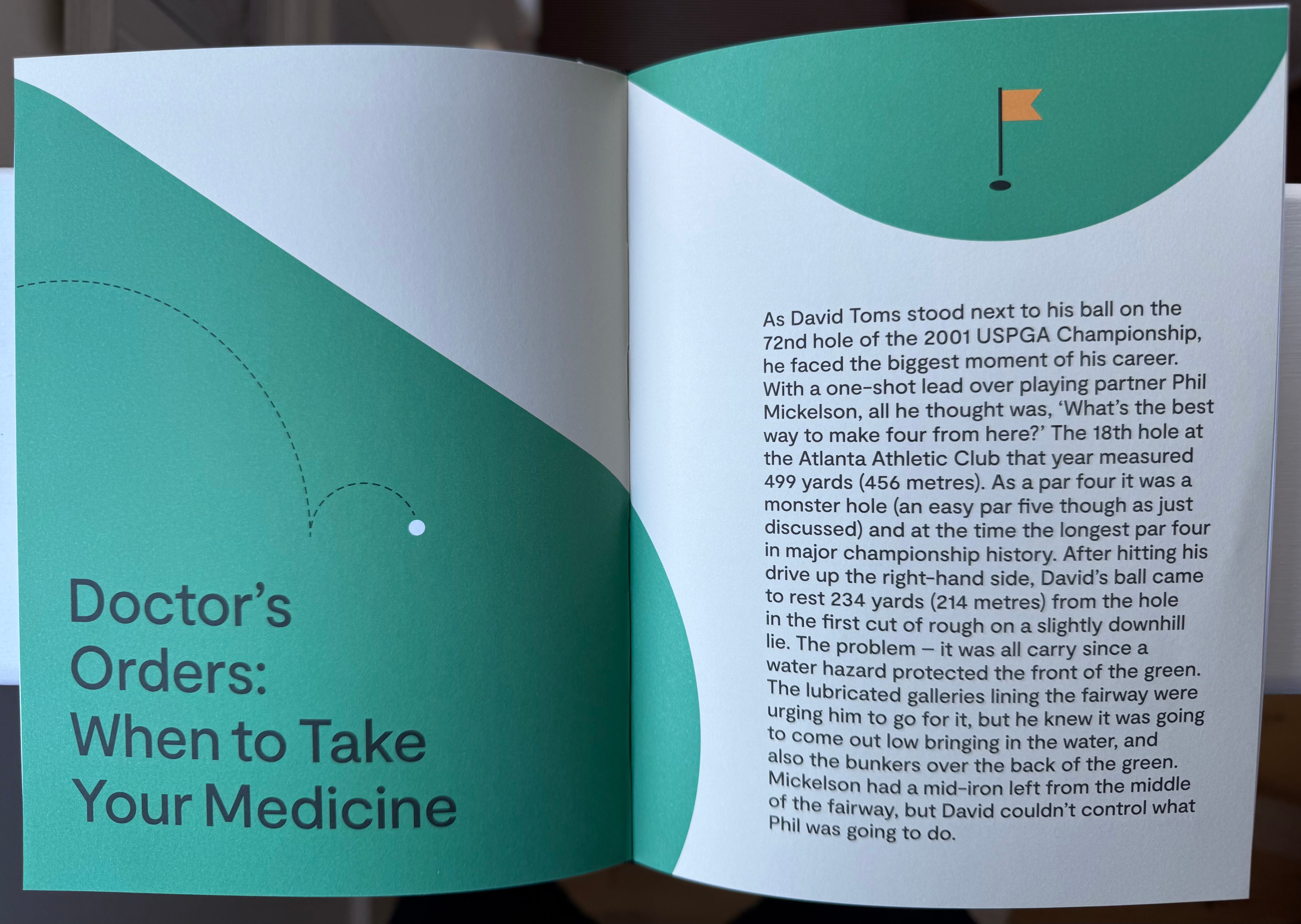
I found myself recognising my own habits throughout this book — especially the temptation to take on shots that look good in theory but rarely work out in practice. Time for me to go back to the personality section again and also read through some of my previously published posts!
“Better golf often comes from doing less, not more.”
Final Thoughts
How to Play Your Best Golf isn’t flashy or revolutionary. It doesn’t promise miracles. What it offers instead is clear, honest guidance on how to score better, written by someone who has done it at the highest level. It’s also worth mentioning that the physical production quality of the book is also superb. It’s only out in hardback at the moment, but it is a joy to hold and turn the pages. It is as robust and high quality as the advice it contains. You will also find some excellent golf photography in it too. I just wish there were some notes to tell you about the subjects!
If you’re tired of swing thoughts, overwhelmed by technical instruction, or just want to play calmer, smarter golf, this is a book well worth your time. I’m sure I will read it several times over.
Sometimes improving isn’t about changing everything — it’s about making better decisions more often and learning to play your own game. This book is a good reminder of that.
Before You Go
If you found this useful:
Subscribe for more club reviews, book recommendations and other golfing insights
Leave a comment — I’d love to hear which golf books have actually helped your game
Recommend or share this post if you think another golfer would enjoy it
📘 You can buy How to Play Your Best Golf by Nick O’Hearn on Amazon here